Guidance That Survives the Storm

Today we explore low-tech wayfinding for alpine huts, designing durable signage systems for extreme weather that remain legible, intuitive, and repairable when electronics fail. From wind-scoured passes to whiteout gullies, you will find practical tactics, field-tested materials, and human-centered choices. Share your experience from the ridge or the workshop—your stories sharpen every signpost and keep travelers safe when the mountain mood turns.

Mountains Change; Signs Must Endure

Design begins with respect for altitude, exposure, and unpredictability. Gusts bend posts, rime ice masks letters, summer glare bleaches pigment, and freezing fog welds moving parts. By understanding these forces first, every later choice becomes simpler and stronger. Think like wind, snow, and sun, then build guidance that still whispers direction when everything else is loud.

Materials That Don’t Give Up at 3,000 Meters

Material decisions shape survival more than slogans. Dense larch and oak resist swelling; anodized aluminum shrugs off corrosion without paint; hot-dip galvanizing shields steel from salt-laced winds; fired enamel preserves color when UV laughs at ink. Favor mechanical fasteners over adhesives, and avoid lamination edges where water sneaks. Field repair should be possible with a spanner and patience.

Type and Contrast That Punch Through Haze
Prioritize clear sans-serif faces with open counters and sturdy strokes, set large enough to read through blowing snow. Black on matte yellow, or white on matte black, works reliably. Generous letter spacing helps icy edges. If you’ve measured distances against legibility in storms, share what sizes truly held up.

Pictograms and Color Bands Travelers Recognize

Simple silhouettes communicate faster than text when gloves hide fine motor control. Use a consistent language of arrows, hut icons, water drops, and danger triangles, paired with durable color bands that mean the same across valleys. Avoid overstuffing messages. Which symbols guided your group fastest when minutes mattered most?

Placement That Leads, Confirms, and Reassures

Good guidance is a sequence, not a single plaque. Place decision signs where paths truly diverge, then add confirmation markers in sight of the last one. Stagger heights for winter and summer. Anticipate drifts, avalanche runouts, and cornice shadows. The best routes feel like a friendly hand tapping your shoulder forward.

Low-Tech Light: Being Seen After Sunset

Night does not always mean batteries. Retroreflective beads, prismatic tabs, and cataphote inserts send headlamp beams back to their source, while photoluminescent paints glow long enough for close work near huts. Shield reflective parts from UV where possible. Calibrate brightness to avoid visual clutter that dilutes the path’s rhythm.

Retroreflective Tricks Without Electronics

Apply glass-bead paint within recessed arrows so ice scrapes do not shear particles. Mount simple cat’s-eye studs on pole collars at headlamp height. Thin reflective tapes behind wire guards survive livestock rubs. Tell us how you tuned reflectivity for snowfields, forests, and rocky passes without dazzling or disappearing entirely.

Photoluminescent Coats as Quiet Helpers

Luminous pigments store daylight and release a friendly glow for waypoints, door hardware, and emergency notes. They fade with harsh UV, so position them on undersides or north faces, protected by matte clear coats. Where have glowing markers eased hut arrivals after late descents without inviting overconfidence into dangerous terrain?

Nighttime Human Factors

Headlamps narrow attention and flatten depth. Space reflective elements so they appear as a measured cadence, not a glittering mess. Keep messaging minimal at night nodes, prioritizing arrows and distances. Share observations from guiding in darkness: how far apart felt comforting, and when did extra sparkle start misleading eyes?

Modular Design for Field Repairs
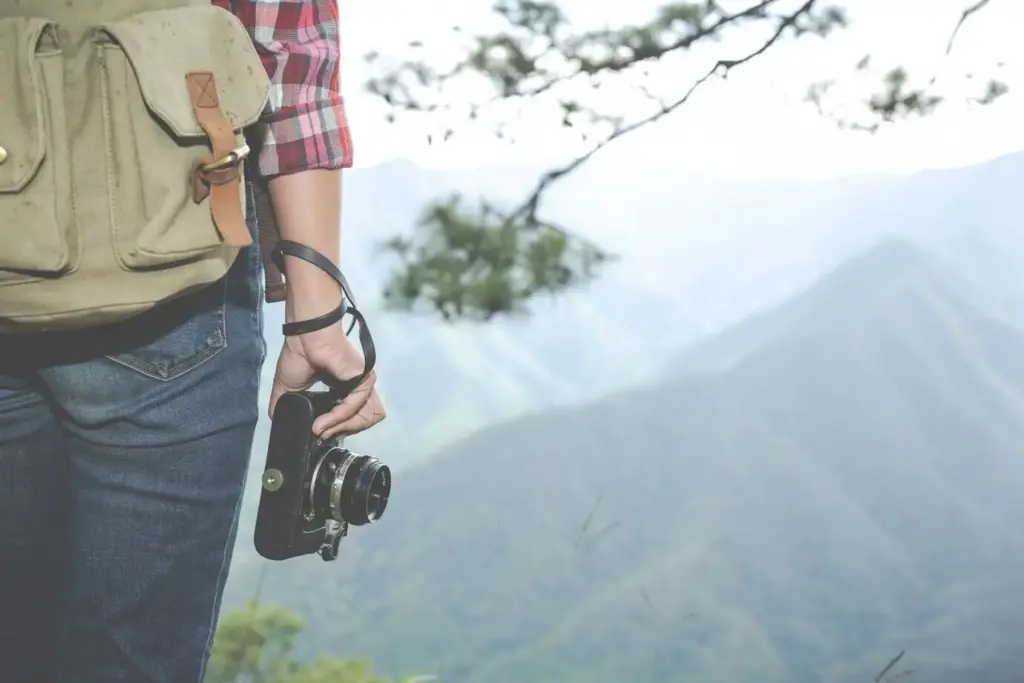
Design plates to slide off brackets without removing the whole post. Standardize hole patterns across valleys, and keep a small cache of blanks ready for routing on storm days. Include replace-by dates on the back. Which modular tricks cut downtime after avalanches or curious marmots chewed through lower edges?

Local Hands, Shared Ownership

When guardians, guides, and hikers help, signs last longer. Create an adoption map assigning stretches to clubs or rescue teams, supported by simple reporting channels. Offer brief training at season openings. Tell us how your community built pride around sturdy guidance, and what recognition kept momentum after the first storms passed.

Emergency Integration That Works Offline
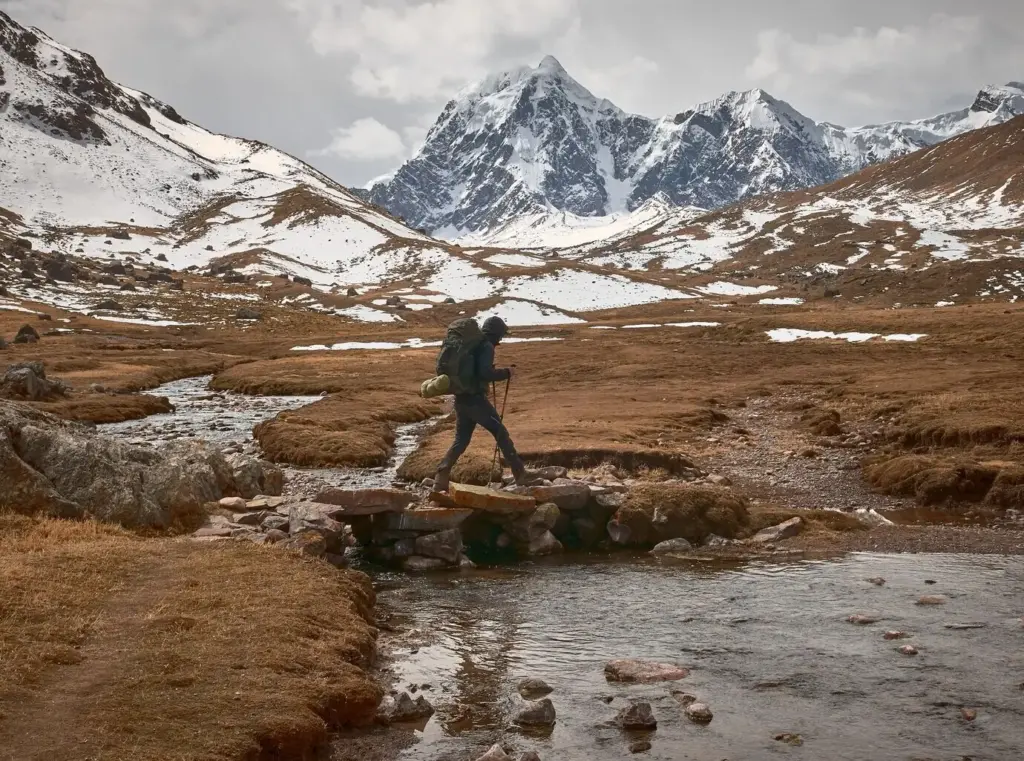
Print clear rescue codes, grid references, and radio channels on sheltered plates at huts and key junctions, avoiding reliance on connectivity. Use large, contrasting numerals, and keep instructions minimal but decisive. What offline protocols, drills, or laminated notes have reduced response times when visibility fell and batteries died at dusk?
Fepivitivuxufokorezi
Privacy Overview

This website uses cookies so that we can provide you with the best user experience possible. Cookie information is stored in your browser and performs functions such as recognising you when you return to our website and helping our team to understand which sections of the website you find most interesting and useful.