

Lines in Thin Air: Field Sketching and Notebook Systems for High-Altitude Research and Route Planning

Today we dive into field sketching and notebook systems for high-altitude design research and route planning, blending artful observation with pragmatic structure. Expect practical tools, resilient page layouts, and proven decision workflows shaped by wind, cold, thin air, and shifting alpine light. Share your methods, questions, and stories to help this practice evolve together.

Reliable Tools When Oxygen Is Scarce

At elevation, the right tool prevents a missed note from numb hands or a ruined page in spindrift. We compare pencils to freeze-prone inks, waterproof papers to delicate stock, and bindings that resist tearing inside a packed shell pocket. Expect candid advice drawn from real climbs, not catalog copy, plus quick hacks you can apply before your next push.

Rapid Terrain Capture That Guides Real Decisions

Sketching terrain fast is not about pretty pictures; it is about decisions. By encoding slope, aspect, exposure, and landmarks in a consistent visual language, you create shared situational awareness. These quick drawings, updated every break, reveal safer traverses, honest turn-around times, and the brutal truth of spindrifted gullies that looked gentle from camp.

Field-Ready Bullet Methods

Adapt bullets to mountaineering: a dot for observation, arrow for action, triangle for risk, star for decision point. Keep spread structure identical each day. This familiarity lowers thinking overhead so notes happen even when shivering. Later, patterns jump out, revealing wind cycles, slope traps, and morale dips tied to calories or pace.

Templates for Consistent Pages

Print or hand-draw templates: weather band, slope angle box, bearing line, time grid, and hazard checklist. Leave a quadrant for sketches and another for logistics like water, fuel, and comms. Repetition speeds capture. When storms rush decisions, your pencil finds the right box instinctively, keeping dialogue focused and errors visible before they cascade.

From Sketch to Route: Turning Lines into Safe Movement

Lines on paper must become lines on the mountain. Convert observations into pacing plans, elevation budgets, and turn-around times. Use simple rules like Naismith’s, then correct for snow, wind, and loads. By rehearsing decisions on the page, you reduce surprises, align expectations, and create space for creativity without sacrificing safety margins.

Timing with Naismith and Real Terrain Penalties

Naismith provides a baseline; altitude, crust, and talus demand corrections. Note expected gradients and apply time penalties beside your sketches. Mark bailout times and latest safe returns. When the stopwatch and terrain disagree, write why. Those annotations become gold during debriefs, gradually tuning your estimates to your team’s physiology and the season’s snowpack reality.
Hazard Mapping and Decision Gates

On paper, draw decision gates at cornices, crevasse fields, and rockfall funnels. Attach simple criteria: wind speed, slab test result, partner condition. If a threshold breaks, the arrow goes to the safer branch. Practicing these choices while warm builds shared instincts that kick in when goggles fog and judgment tightens under gusts.
Briefing the Team Before the First Step

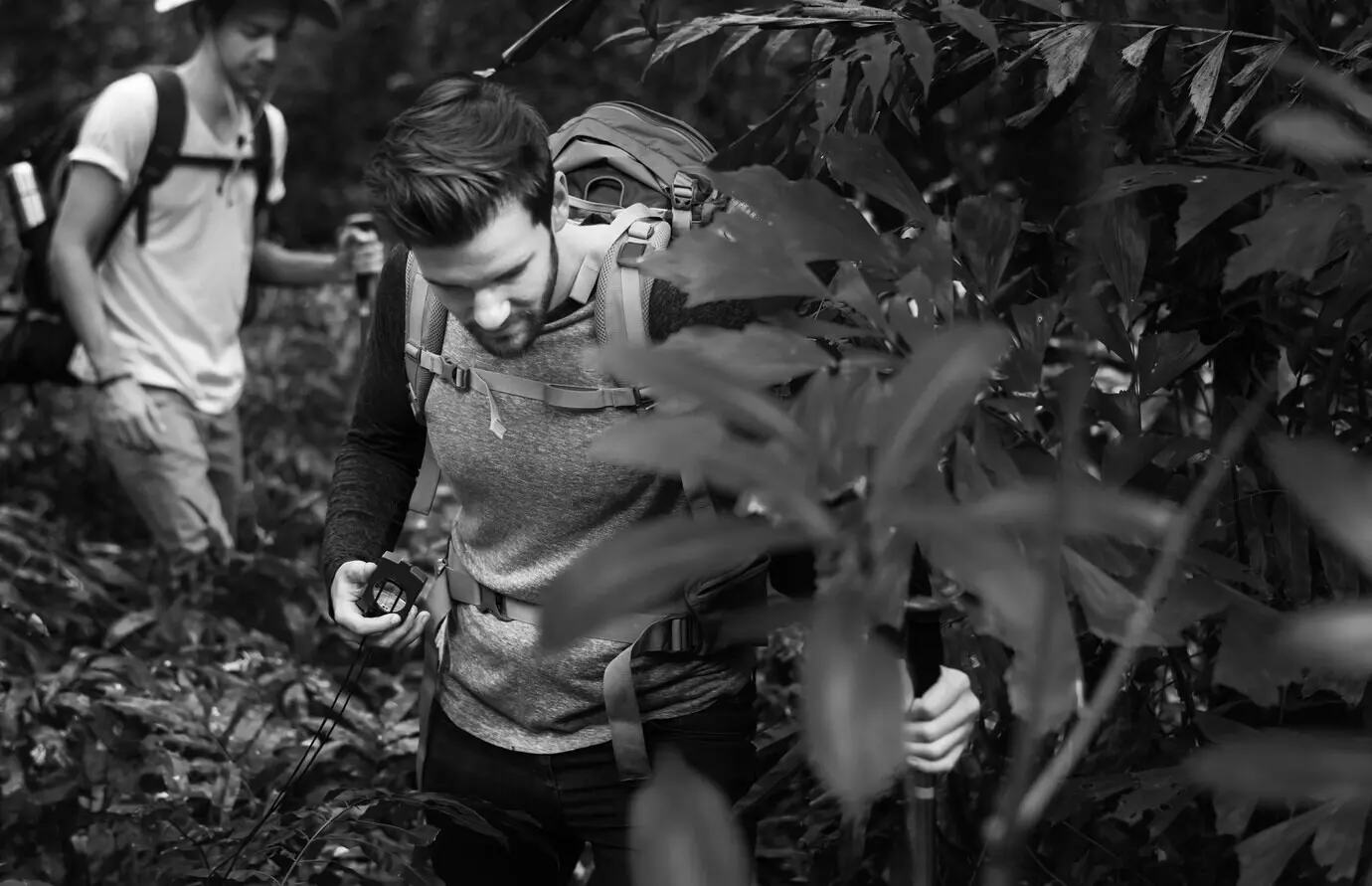
A short, clear briefing bonds the group. Using the notebook, walk the route, hazards, timing, and escape lines so everyone owns the plan. Invite dissent early; add it to the page. When the mountain pushes back, that shared handwriting gives people permission to speak up before risk compounds into accidents.

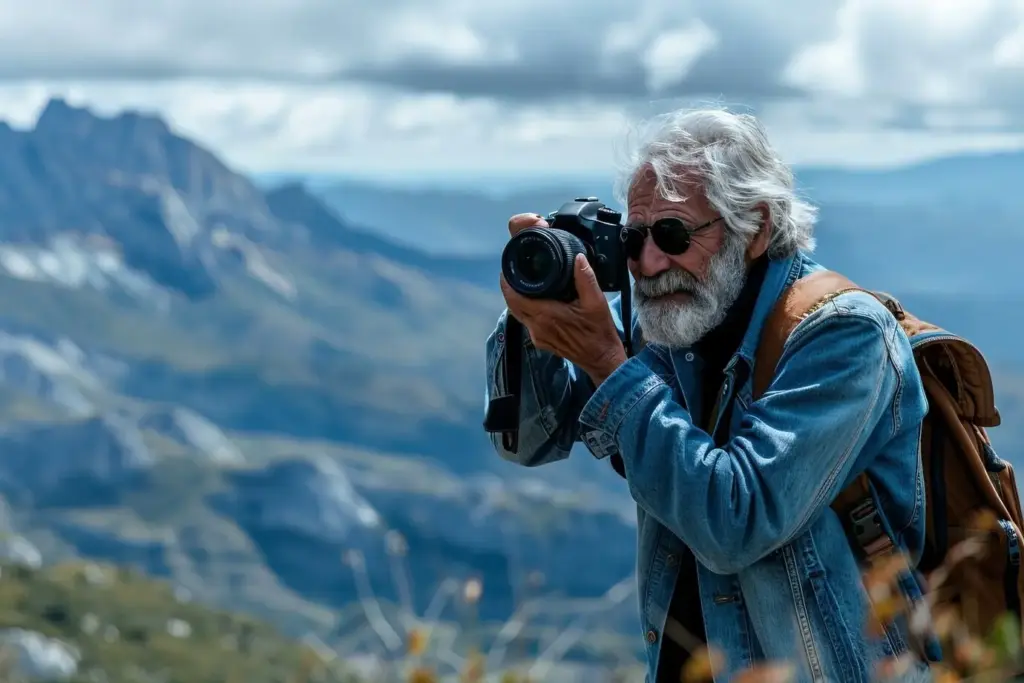
Teamwork and Communication Around a Notebook

Photograph, Share, and Version Your Pages

Snap clean, oblique photos to avoid glare on coated paper, then label files with date, elevation, and objective. Share a low-bandwidth album for teammates still on the mountain. Later, pair pages with GPS tracks and weather logs. Your crude sketch becomes a powerful briefing deck that compresses chaos into a few memorable, decisive images.

A Shared Legend Everyone Understands

Agree on a legend once, write it on the inside cover, and use it relentlessly. Keep symbols intuitive: triangles for hazards, dots for observations, squares for camps. Units should be clear and consistent. When new partners join, one glance unlocks months of accumulated knowledge, reducing misunderstandings that could otherwise creep in at the worst moment.

Debrief Rituals That Improve Tomorrow

Close each day by reviewing pages together. Celebrate what worked, circle uncertainties, and record next steps in bold. Invite quieter personalities to hold the notebook and present a page. This rotates ownership and grows collective judgment, making tomorrow’s line selection calmer, faster, and less vulnerable to heroics or silence.

A High-Pass Recon: A Practical Story

To ground these ideas, here is a real-world vignette from a thin-air reconnaissance toward a 5,200-meter pass. Observe how quick drawings, disciplined page layouts, and shared notes shaped choices. The specifics differ, but the pattern repeats: observe honestly, encode consistently, decide together, then carry those lines onto the ridge with intention.
Fepivitivuxufokorezi
Privacy Overview

This website uses cookies so that we can provide you with the best user experience possible. Cookie information is stored in your browser and performs functions such as recognising you when you return to our website and helping our team to understand which sections of the website you find most interesting and useful.